Pacific Handy Cutter vs Slice
Pacific Handy Cutter and Slice are two of the most recognized names in workplace cutting tools, but they take different approaches to safety, blade performance, and long-term value. If you’re comparing PHC vs Slice, the right choice usually comes down to whether you prioritize a practical steel-blade system with broad workplace familiarity, or a ceramic-blade system built around longer edge life and a stronger safety-first design philosophy.
For buyers outfitting warehouses, retail teams, fulfillment operations, and industrial workspaces, this comparison page is designed to help you choose the best fit for your cutting program. If you already know which path you prefer, you can explore our PHC Knives, PHC Blades, PHC Holsters, Slice Ceramic Replacement Blades, or Slice Cutters directly.
At a Glance: PHC vs Slice
| Feature | Pacific Handy Cutter | Slice |
|---|---|---|
| Blade Material Focus | Primarily steel blades | Ceramic safety blades |
| Best For | High-volume warehouse, grocery, retail, and distribution workflows | Safety-first programs, reduced blade changes, and lower-maintenance cutting systems |
| Core Value | Practical, economical, familiar workplace cutting | Longer-lasting blades, safer handling, and premium safety positioning |
| Blade Change Frequency | Typically more frequent | Typically less frequent |
| Common Buyer Type | Cost-conscious operations and established cutter programs | Safety managers and buyers focused on reducing blade handling |
What Is Pacific Handy Cutter Best Known For?
Pacific Handy Cutter is best known for practical workplace safety cutters, replacement blades, and accessories designed for everyday commercial use. PHC is especially relevant for operations that want a familiar, proven cutting system that is easy to standardize across teams. Buyers comparing brands often start with PHC Knives and then build out the rest of the system with compatible PHC Blades and PHC Holsters.
PHC is often the stronger fit for warehouse, retail, grocery, and distribution environments where steel blade replacement is already built into the workflow and teams want straightforward, economical cutting performance.
What Is Slice Best Known For?
Slice is best known for ceramic safety blades and a cutting system built around finger-friendly® blade design. That makes the brand especially attractive for buyers who want fewer blade changes, lower blade-handling frequency, and a stronger workplace safety message. If that sounds like the right direction for your operation, start with Slice Cutters and pair them with Slice Ceramic Replacement Blades.
Slice tends to appeal most to buyers who are less focused on the lowest upfront cost and more focused on long-term blade life, reduced maintenance, and a premium safety-forward cutting system.
Steel vs Ceramic Blades: What’s the Difference?
Steel and ceramic blades solve different problems. Steel blades are the traditional choice for fast, familiar cutting and are often preferred in operations where routine blade replacement is already part of the workflow. Ceramic blades are typically chosen when the goal is fewer blade changes, longer edge retention, and a stronger safety story around blade handling.
In practical terms, steel is often the better fit for economical, high-volume cutting systems, while ceramic is often the better fit for buyers who want long-term blade life and a more safety-focused cutting program. If you’re leaning toward traditional workplace steel systems, explore PHC Blades. If you’re leaning toward ceramic longevity, explore Slice Ceramic Replacement Blades.
PHC vs Slice: Key Differences
1. Blade Material and Cutting Philosophy
The biggest difference between Pacific Handy Cutter and Slice is blade philosophy. PHC is strongly associated with steel-based workplace cutting systems, while Slice is built around ceramic safety blades. That difference affects blade life, replacement frequency, cost structure, and how each brand positions safety.
2. Upfront Cost vs Long-Term Value
If your main priority is lower upfront cost and straightforward replacement cycles, PHC is often the better fit. If your main priority is reducing blade changes and lowering the amount of blade handling over time, Slice often offers better long-term value. Buyers who want a full traditional cutting system can move from PHC Knives to PHC Blades and finish with PHC Holsters. Buyers focused on ceramic performance can build around Slice Cutters and Slice Ceramic Replacement Blades.
3. Safety Positioning
Both brands are safety-oriented, but they arrive there differently. PHC emphasizes practical safety knife design, controlled blade exposure, and workplace familiarity. Slice puts much more emphasis on finger-friendly® ceramic blade technology and reducing the frequency and severity of blade-related contact.
4. Best Operational Fit
- Choose Pacific Handy Cutter if you need: economical cutters, steel blades, broad workplace familiarity, and a scalable program for retail, grocery, warehouse, and distribution teams.
- Choose Slice if you need: ceramic blades, fewer blade changes, safer blade handling, and a stronger safety-first position for internal safety programs.
Best For: Pacific Handy Cutter vs Slice
| Buyer Need | Best Fit | Why |
|---|---|---|
| High-volume warehouse and distribution work | Pacific Handy Cutter | A strong fit for fast-moving operational environments that value steel blade familiarity and straightforward replacement routines. |
| Grocery and retail teams | Pacific Handy Cutter | PHC is especially well aligned with grocery and retail workflows and broad workplace standardization. |
| Reducing blade changes | Slice | Ceramic blades are the better fit when fewer blade swaps and longer edge life are top priorities. |
| Safety-first cutting programs | Slice | A strong option for workplaces that want blade technology positioned around safer handling and fewer blade changes. |
| Lower upfront cost and routine replacement | Pacific Handy Cutter | Often the more practical fit for buyers who prefer traditional steel-blade workflows and economical replacement cycles. |
| Ceramic blade longevity and premium safety positioning | Slice | Best for buyers who want longer blade life, less maintenance interruption, and a more differentiated safety story. |
| Standardizing a team on a proven steel system | Pacific Handy Cutter | Well suited to operations that want consistent knives, blades, and accessories within one established brand ecosystem. |
| Non-sparking or rust-free blade applications | Slice | Ceramic blades are often the better fit when specialized blade properties matter alongside safety and longevity. |
When Pacific Handy Cutter Is the Better Choice
- You want lower initial tool and blade cost.
- Your team already works comfortably with steel blade replacement routines.
- You need a practical cutter system for grocery, retail, warehouse, or distribution use.
- You want to build around PHC Knives, replenish with PHC Blades, and improve carry/access with PHC Holsters.
When Slice Is the Better Choice
- You want ceramic blades that stay in service longer.
- Reducing blade changes is important for productivity and safety.
- Your workplace safety program values less blade handling and a more differentiated safety message.
- You want to build around Slice Cutters and restock with Slice Ceramic Replacement Blades.
Shop Pacific Handy Cutter
Best for economical steel-blade cutting systems, workplace familiarity, and high-volume team use.
Build a complete PHC setup with Knives, Replacement Blades, and Holsters.
Shop Pacific Handy CutterShop Slice
Best for ceramic blade longevity, fewer blade changes, and a more safety-forward cutting system.
Start with Slice Cutters and pair them with Slice Ceramic Replacement Blades.
Shop SlicePHC vs Slice FAQs
Is Pacific Handy Cutter better than Slice?
Are Slice blades safer than steel blades?
Do ceramic blades last longer than steel blades?
Why would I choose PHC over Slice?
Why would I choose Slice over PHC?
Recommended products
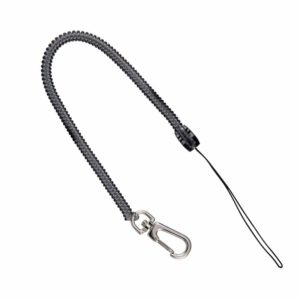

Pacific Handy Cutter CL36 Clip-On Coil Lanyard, For Utility Knives and Safety Cutters, Extends to 48 Inches
$2.99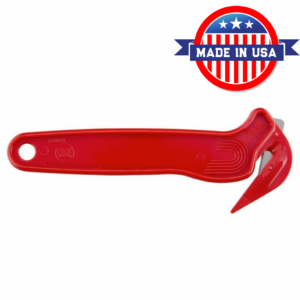
Pacific Handy Cutter DFC364 Disposable Film Cutter, Efficient Cutting for Shrink Wrap, Tape, and Plastic Straps
$3.29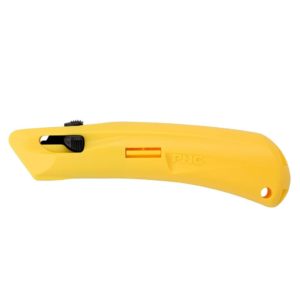
Pacific Handy Cutter EZ3 Spring-Back Safety Cutter, Ambidextrous, Lightweight Box Cutter with Safety Point Blade
$4.99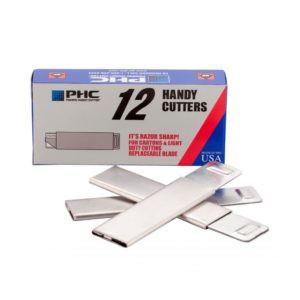
Pacific Handy Cutter Industrial Box Cutter, Retractable, Tap Open/Close, 12/box
$9.99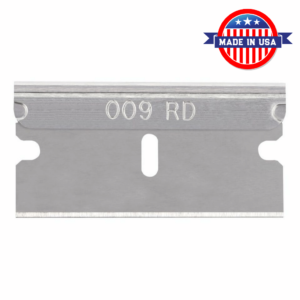
Pacific Handy Cutter RB009 Standard Single-Edged Industrial Razor Blades for Box Cutters, 100/box, Ultra Sharp, Stainless Steel
$8.99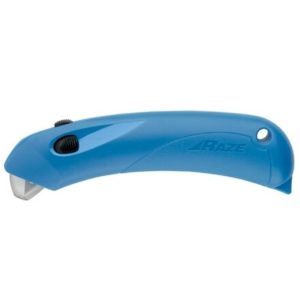
Pacific Handy Cutter RSC-432 Restaurant Safety Cutter W/ Auto-Locking Safety Hood
$3.99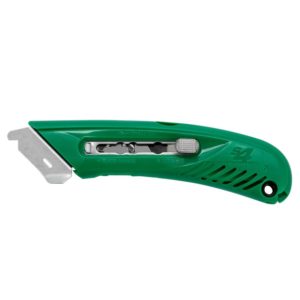
Pacific Handy Cutter S4 Safety Cutter
$7.99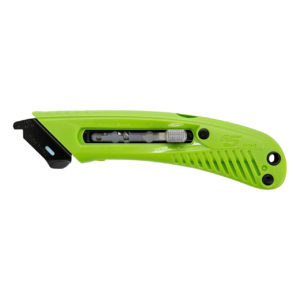
Pacific Handy Cutter S5 Safety Cutter, 3-In-1 Tool W/ Metal Fixed Guard
$8.99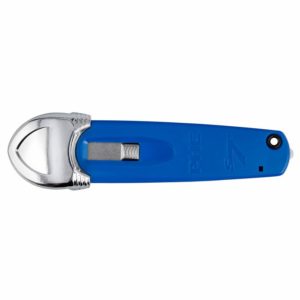
Pacific Handy Cutter S7 Safety Cutter, 3-in-1 Self-Retracting Utility Knife
$10.99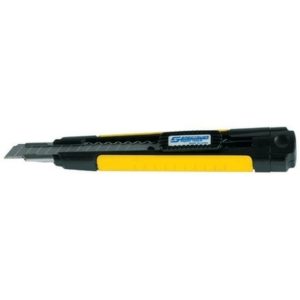
Pacific Handy Cutter SK-233 Steel Track 8 point Snap-Off Blade Utility Knife, Heavy Duty Anti-Slip Grip
$6.99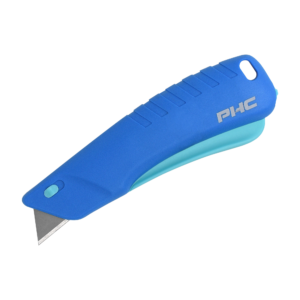
Pacific Handy Cutter Smart-Retract Rebel Safety Cutter Utility Knife
$14.99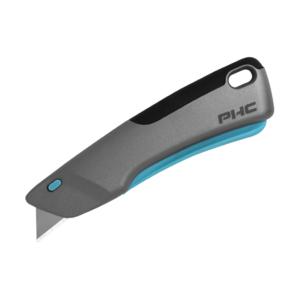
Pacific Handy Cutter Smart-Retract Victa Safety Cutter Utility Knife
$26.99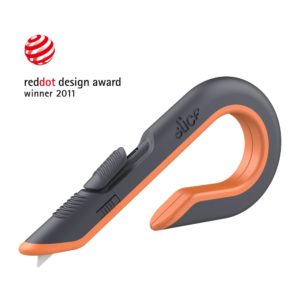
Slice 10400 Manual Retract Box Cutter Utility Knife
$21.99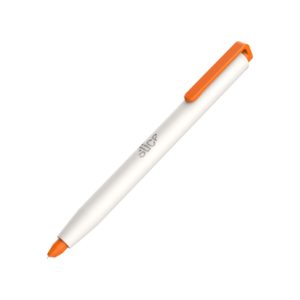
Slice 10417 Retractable Precision Cutter
$14.99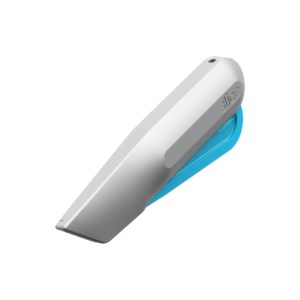
Slice 10494 Squeeze-Trigger Smart-Retracting Metal Utility Knife
$36.99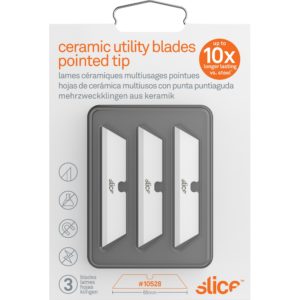
Slice 10528 Pointed Tip Ceramic Utility Blades
$21.99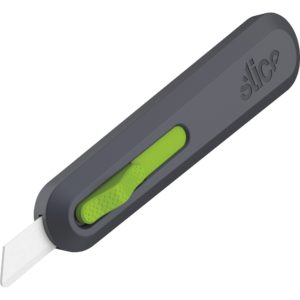
Slice 10554 Auto Retract Utility Knife
$25.99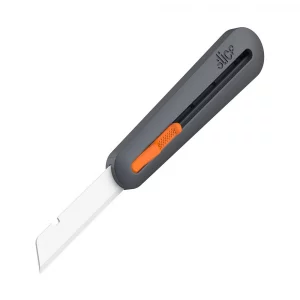
Slice 10559 Retractable Industrial Utility Knife
$27.99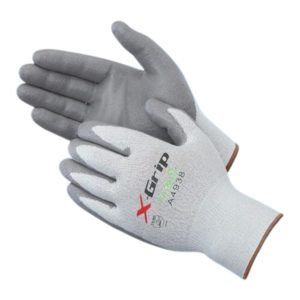
X-Grip Level 2 Cut Resistant Gloves, Polyurethane Coated
$6.39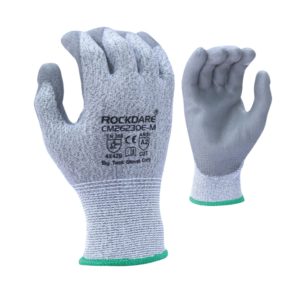
Cutman ANSI A2 Polyurethane Coated Cut Glove, 12/Pairs
$28.99
Cut Resistant Protective Arm Sleeves, 18″ Length, 2 Styles, 2 Pack
Price range: $5.99 through $6.99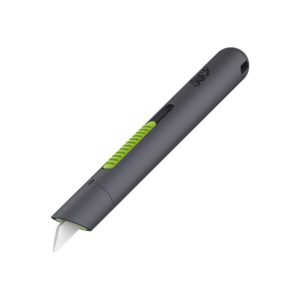
Slice 10512 Auto-Retractable Pen Cutter
$16.49