Cut Resistant Apparel
Showing all 10 resultsSorted by popularity

Showing all 10 resultsSorted by popularity
Cut Resistant Apparel for Workplace Safety and Injury Prevention
Cut resistant apparel is designed to protect workers from cuts, abrasions, and contact injuries when handling sharp tools, materials, or equipment. From gloves used with box cutters to protective arm sleeves, this category provides essential safety solutions for environments where hand and arm injuries are a risk.
Whether you’re managing a warehouse, operating in a manufacturing facility, or handling materials in a retail or fulfillment setting, the right protective apparel helps reduce injury risk while maintaining productivity and comfort.
Types of Cut Resistant Apparel
Different applications require different levels of protection. Explore the main types of cut resistant apparel available:
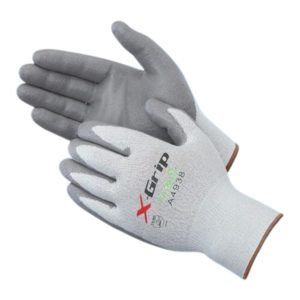
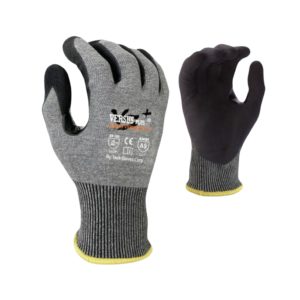
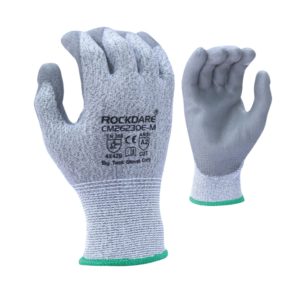
- Box Cutter Gloves: Designed for safe and controlled cutting when using box cutters and utility knives
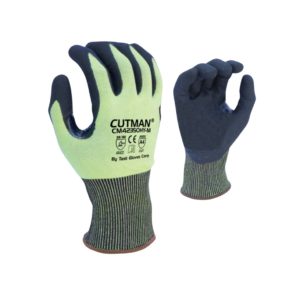
- Cutman Gloves: Balanced protection and performance for everyday cutting tasks
- HexArmor Gloves: Advanced protection for high-risk environments requiring maximum cut resistance and durability
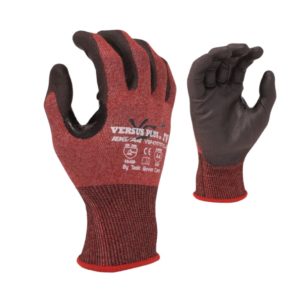
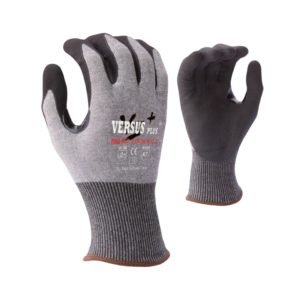
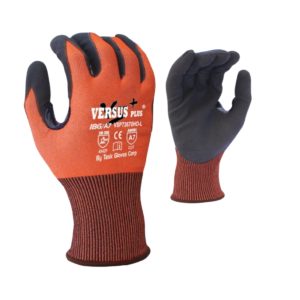
- Versus Plus Gloves: Cost-effective protection for high-volume operations and routine tasks
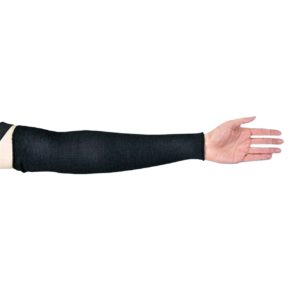
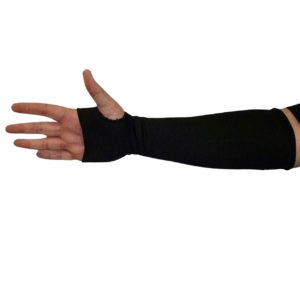
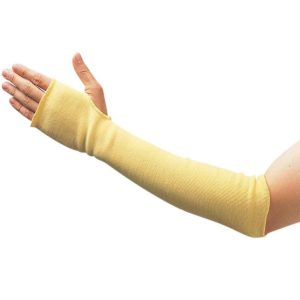
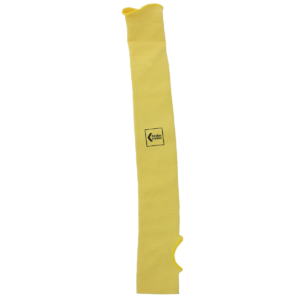
- Protective Arm Sleeves: Extended coverage to protect forearms from cuts and abrasions
Where Cut Resistant Apparel Is Used
Cut resistant apparel is essential across industries where sharp tools or materials are part of daily operations:
- Warehousing & Distribution: Opening boxes, handling inventory, and managing packaging materials
- E-commerce Fulfillment: High-speed picking, packing, and repetitive cutting tasks
- Manufacturing & Assembly: Working with metal, glass, and sharp components
- Retail & Stocking: Unpacking shipments and organizing merchandise
- Construction & Industrial Work: Handling tools and materials with elevated injury risk
How to Choose the Right Cut Resistant Apparel
Choosing the right protection depends on your level of risk, work environment, and task requirements:
- Cut Resistance (ANSI Levels):
- A1–A3: Light protection for low-risk tasks
- A4–A6: Moderate protection for frequent cutting applications
- A7–A9: Maximum protection for high-risk environments
- Coverage Area: Gloves protect hands, while arm sleeves extend protection to the forearms
- Grip & Coating: Coated gloves improve control when handling tools and materials
- Dexterity: Thinner materials allow for more precise work
- Durability: Reinforced construction improves lifespan in demanding environments
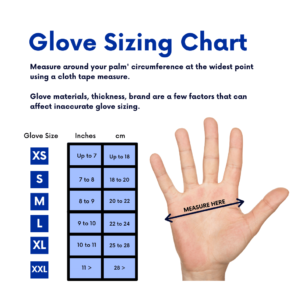
- Comfort & Fit: Proper fit reduces fatigue and improves safety during extended use
Building a Complete Protection System
For many applications, the most effective approach is combining multiple forms of protection. Cut resistant gloves paired with protective arm sleeves create a more complete safety system by covering both hands and forearms.
This approach is especially valuable in environments where workers frequently reach into boxes, handle sharp materials, or perform repetitive cutting tasks.
Choosing the Right Level of Protection
Not all jobs require the same level of protection. Selecting the appropriate glove or sleeve ensures workers stay safe without sacrificing comfort or efficiency:
- Light Duty: Retail stocking, light warehouse tasks, and occasional box opening
- Medium Duty: Fulfillment centers, frequent box cutting, and material handling
- Heavy Duty: Industrial, manufacturing, and high-risk cutting environments
Why Cut Resistant Apparel Matters
Hand and arm injuries are among the most common workplace incidents when handling sharp tools or materials. Cut resistant apparel helps reduce these risks, supporting safer work environments and improving overall productivity.
For safety managers and procurement teams, investing in the right protective gear can help reduce injury-related downtime, improve worker confidence, and support compliance with workplace safety standards.