Food-Safe
Showing all 2 resultsSorted by popularity


Showing all 2 resultsSorted by popularity
Food-Safe Cutters for Hygienic and Compliant Cutting
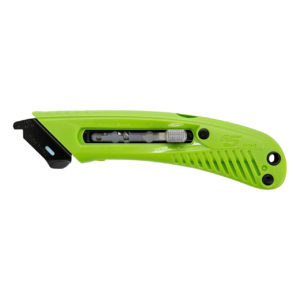
Food-safe cutters are designed for use in food processing, food service, and packaging environments where hygiene, contamination control, and safety are critical. These tools help reduce the risk of foreign object contamination while maintaining efficient cutting performance.
Whether you’re opening packaging, preparing materials, or handling food-related operations, using food-safe cutting tools supports compliance with safety standards and helps maintain a clean, controlled environment.
Where Food-Safe Cutters Are Used
- Food Processing Facilities: Packaging, preparation, and production lines
- Food Service & Kitchens: Opening packaged goods and supplies
- Food Packaging & Distribution: Handling cartons and materials safely
- Cold Storage & Warehousing: Controlled environments requiring hygienic tools
- Quality-Controlled Environments: Operations with strict contamination standards
Key Features of Food-Safe Cutters
- Contamination Control: Designed to minimize foreign object risk
- Hygienic Materials: Easy-to-clean surfaces and non-porous construction
- Safer Blade Design: Reduced blade exposure helps prevent accidental contact
- Durability: Built for repeated use in demanding environments
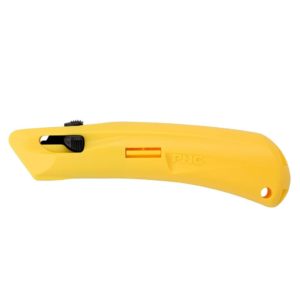
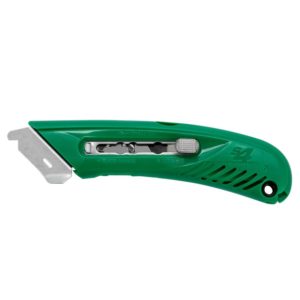
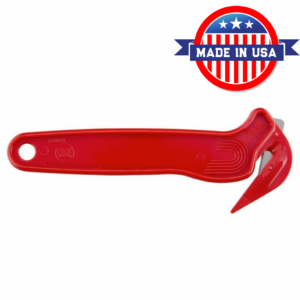
- Visibility Options: Brightly colored tools for easier detection
Why Food-Safe Tools Matter
- Helps reduce risk of foreign object contamination
- Supports food safety programs and compliance requirements
- Improves workplace safety in fast-paced environments
- Promotes consistent, hygienic operations
Types of Food-Safe Cutting Tools
Food-safe cutters come in several forms depending on the application and environment:
- Safety Cutters: Designed to reduce blade exposure and improve safety
- Enclosed Blade Cutters: Help prevent direct blade contact with products
- Ceramic Blade Cutters: Ideal for reducing contamination and maintaining longer blade life
- Compact Cutters: Lightweight tools for quick, controlled cutting tasks
Choosing the Right Food-Safe Cutter
- Environment: Consider food processing vs packaging vs service use
- Safety Requirements: Choose tools that reduce blade exposure
- Material Compatibility: Ensure the cutter works with your packaging materials
- Cleaning Requirements: Select tools that are easy to sanitize
- Blade Type: Steel vs ceramic depending on your needs
Steel vs Ceramic for Food Environments
Traditional steel blades are commonly used for general cutting tasks, while ceramic blades are often preferred in food-safe environments due to their resistance to rust, longer lifespan, and reduced need for frequent handling.
For safer, longer-lasting options, explore Slice ceramic cutters, or browse compatible replacement blades for your tools.
Need General Cutting Tools?
Explore standard utility knives for non-food applications.