Utility Knives
Showing all 25 resultsSorted by popularity


Showing all 25 resultsSorted by popularity
Utility Knives for Safe, Efficient, and Controlled Cutting
Utility knives are essential tools for cutting cardboard, packaging, plastic, film, and a wide range of materials across warehouses, retail environments, job sites, and industrial operations. Whether you’re opening boxes, trimming materials, or handling daily cutting tasks, the right utility knife improves both safety and efficiency.
Today’s utility knives range from traditional steel-blade designs to modern safety cutters with advanced features that reduce blade exposure and minimize injury risk. Choosing the right tool depends on your work environment, safety requirements, and cutting volume.
Types of Utility Knives
Different cutting tasks require different tools. Understanding the main types of utility knives helps you select the best option for your workflow:
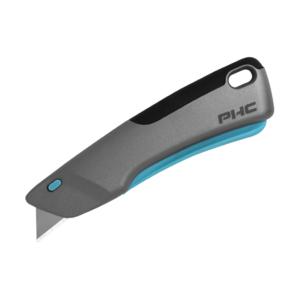
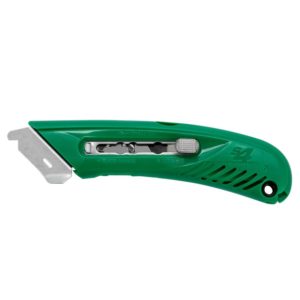
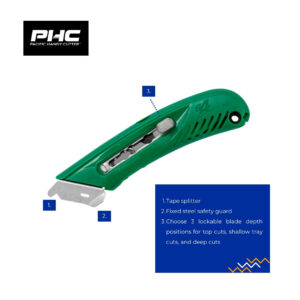
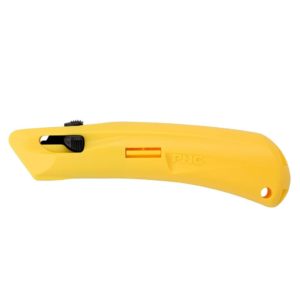
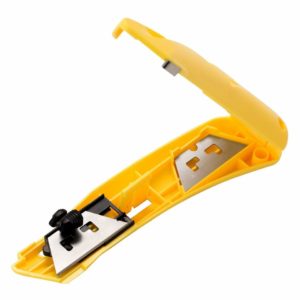
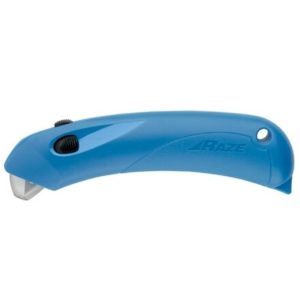
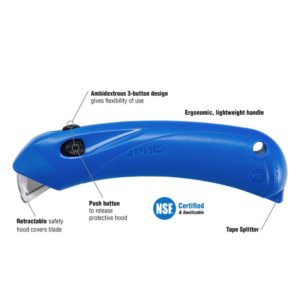
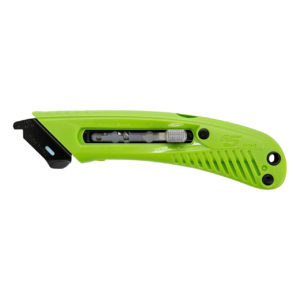
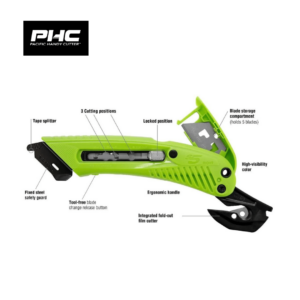
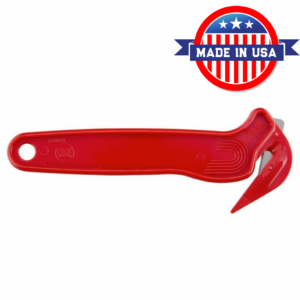
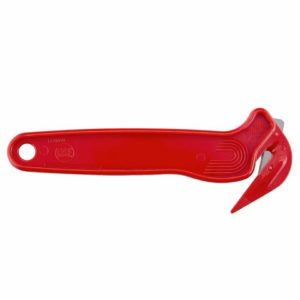
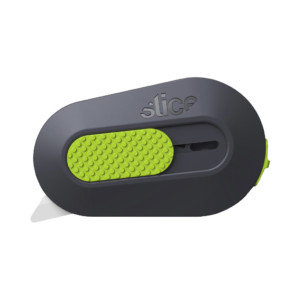
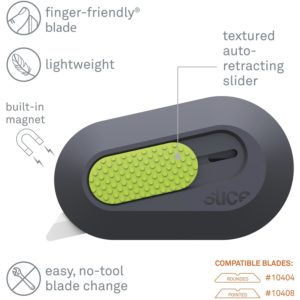
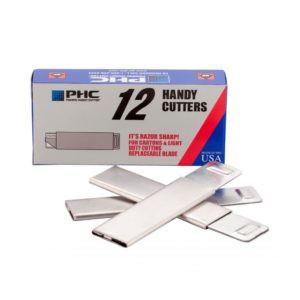
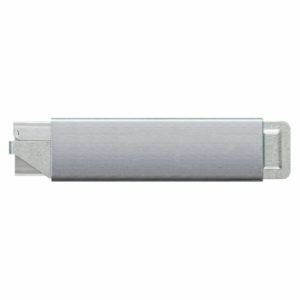
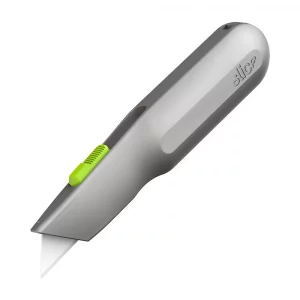
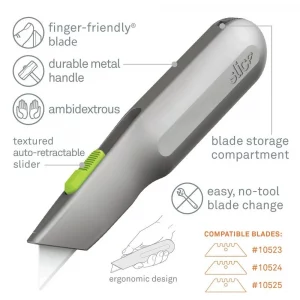
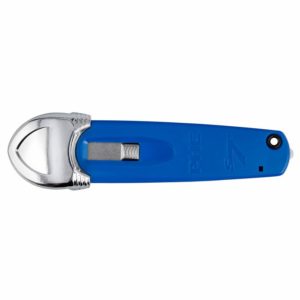
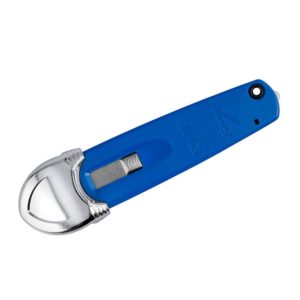
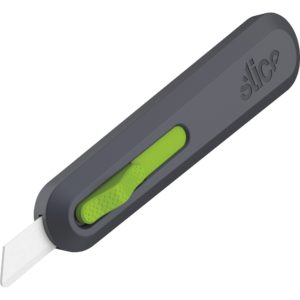
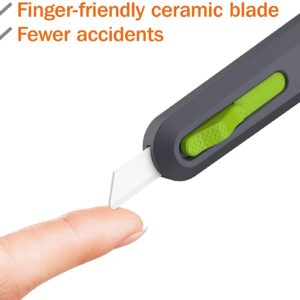
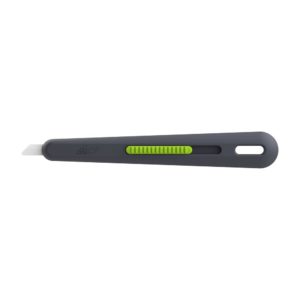
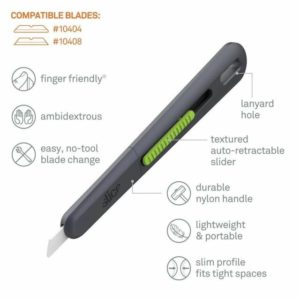
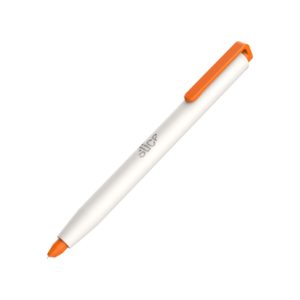
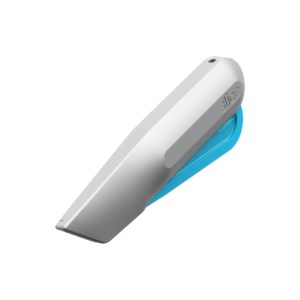
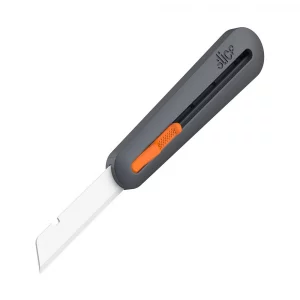
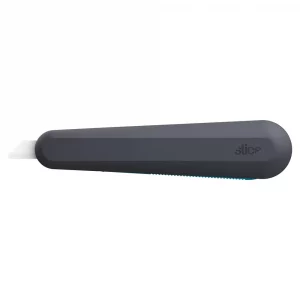
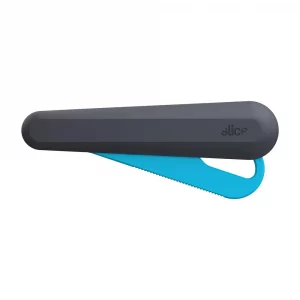
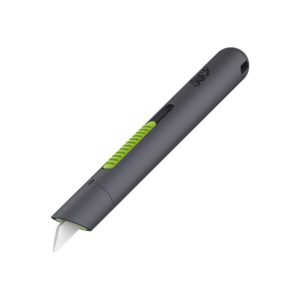
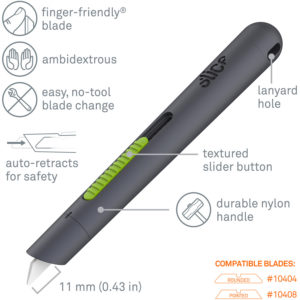
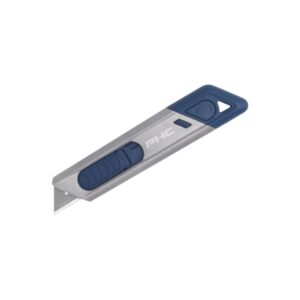
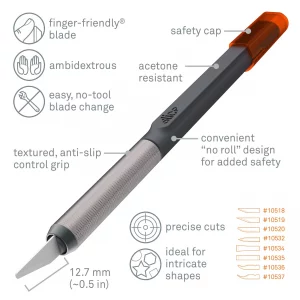
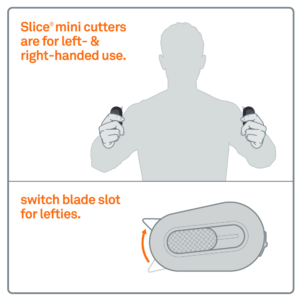
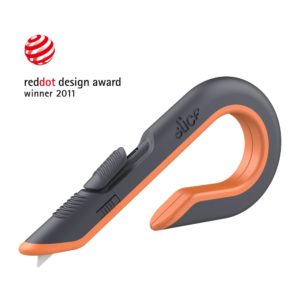
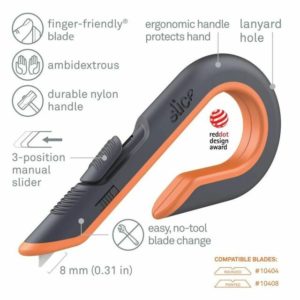
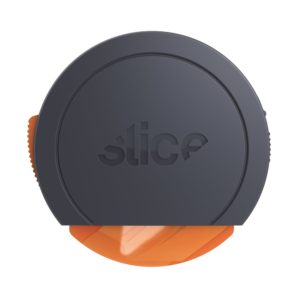
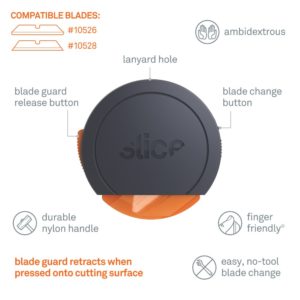
- Safety Utility Knives: Designed to reduce blade exposure and lower the risk of accidental cuts. Explore options like Pacific Handy Cutter knives or Slice safety cutters.
- Box Cutters: Ideal for opening cartons and packaging materials quickly and efficiently.
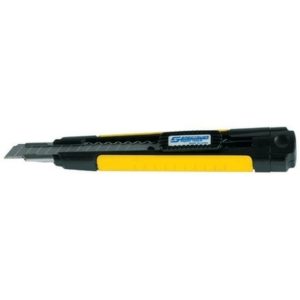
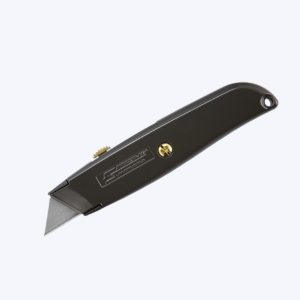
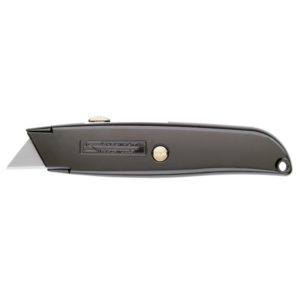
- Retractable Utility Knives: Offer adjustable blade length for versatility across different materials.
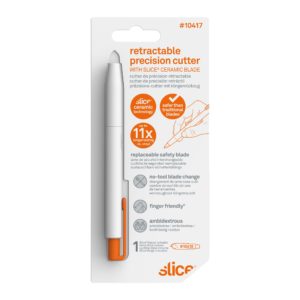
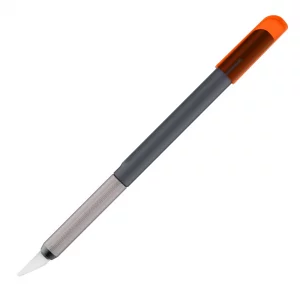
- Precision Cutters: Designed for detailed work where control and accuracy are critical.
Where Utility Knives Are Used
- Warehousing & Distribution: Opening boxes and handling packaging materials
- E-commerce Fulfillment: High-speed picking, packing, and order processing
- Retail & Stocking: Unpacking shipments and organizing inventory
- Construction & Trades: Cutting drywall, insulation, and materials
- Manufacturing: Assembly work and material handling
How to Choose the Right Utility Knife
- Safety Level: Choose safety cutters for reduced blade exposure
- Blade Type: Steel for traditional cutting or ceramic for longer life
- Cutting Volume: High-volume tasks require durable, efficient tools
- Precision Needs: Detailed work requires smaller, controlled blades
- Comfort & Ergonomics: A good grip improves control and reduces fatigue
Steel vs Ceramic Utility Knife Blades
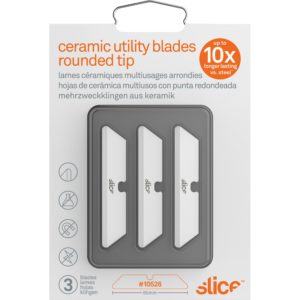
One of the biggest decisions when choosing a utility knife is selecting the right blade type. Traditional steel blades are sharp, economical, and widely used in high-volume environments. Ceramic blades, on the other hand, are designed to stay sharp longer and reduce the need for frequent blade changes.
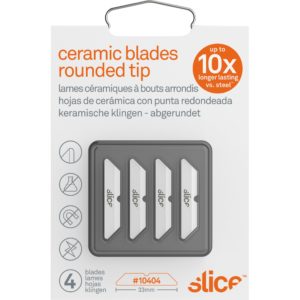
If you prefer a traditional, cost-effective system, consider steel replacement blades. If you want longer-lasting performance and fewer blade changes, explore ceramic replacement blades.
Build a Complete Cutting System
For the best results, utility knives should be used as part of a complete cutting system. Pairing your knife with the right replacement blades and accessories improves performance, safety, and efficiency.
- Knife: Choose based on safety and application
- Blades: Select steel or ceramic based on usage
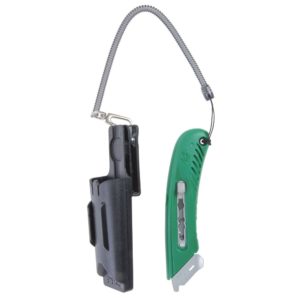
- Accessories: Add holsters or storage solutions for convenience