ANSI Cut Levels Explained (A1–A9): How to Choose the Right Protection
When working with sharp tools, materials, or equipment, choosing the right level of hand protection is critical. ANSI cut levels provide a standardized way to measure how resistant a glove is to cutting hazards.
In this guide, we’ll explain what ANSI cut levels mean, how they’re tested, and how to choose the right level for your application.
- A1–A2: Light protection (paper, light materials)
- A3–A4: Medium protection (general warehouse work)
- A5–A6: High protection (sharp tools, metal)
- A7–A9: Extreme protection (heavy industrial, glass, steel)
What Are ANSI Cut Levels?
ANSI cut levels are ratings established by the American National Standards Institute (ANSI) to measure a glove’s resistance to cuts. The scale ranges from A1 (lowest protection) to A9 (highest protection).
👉 Browse gloves by protection level in our cut-resistant glove category.
How ANSI Cut Levels Are Tested
Cut resistance is measured using a standardized test that determines how much force is required to cut through the glove material.
- A machine applies increasing pressure with a blade
- The force required to cut through the glove is measured in grams
- The result determines the ANSI cut level rating
ANSI Cut Level Chart
| Level | Cut Resistance (grams) | Typical Use |
|---|---|---|
| A1 | 200–499g | Light handling |
| A2 | 500–999g | Light industrial |
| A3 | 1000–1499g | General warehouse |
| A4 | 1500–2199g | Packaging, logistics |
| A5 | 2200–2999g | Sharp materials |
| A6 | 3000–3999g | Metal handling |
| A7 | 4000–4999g | Heavy industrial |
| A8 | 5000–5999g | Glass, sharp steel |
| A9 | 6000g+ | Extreme hazards |
How to Choose the Right Cut Level
Choosing the correct ANSI level depends on your work environment and risk level.
- Low Risk (A1–A2): Light materials, minimal blade exposure
- Medium Risk (A3–A4): Warehousing, packaging, general cutting
- High Risk (A5–A6): Frequent contact with sharp edges
- Extreme Risk (A7–A9): Heavy industrial, glass, or metal work
ANSI Cut Levels vs Real-World Safety
While ANSI ratings are important, they are only one part of safety. Gloves protect against cuts—but proper tools and technique matter just as much.
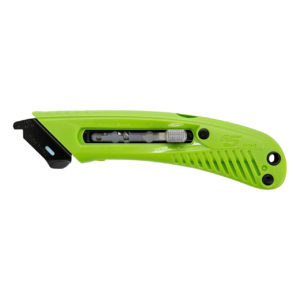
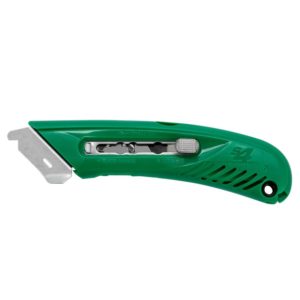
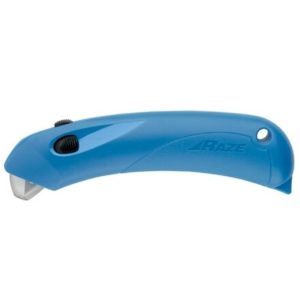
- Use safety cutters to reduce blade exposure
- Match gloves to the specific task
- Replace gloves when worn or damaged
Do You Always Need the Highest Cut Level?
No—higher cut levels often mean thicker gloves, which can reduce dexterity. Choosing the right level—not the highest—is key.
Use the lowest cut level that provides adequate protection. This improves comfort and productivity.
Final Thoughts
ANSI cut levels provide a clear way to match gloves to your risk level. Understanding the difference between A1 and A9 helps you choose the right protection without sacrificing comfort or efficiency.