Utility Knife
Showing all 13 resultsSorted by popularity
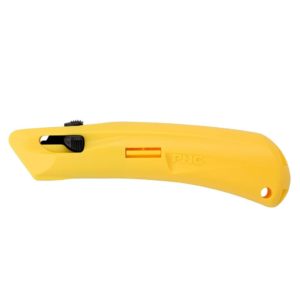
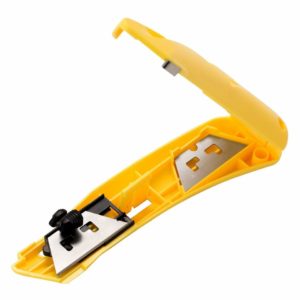
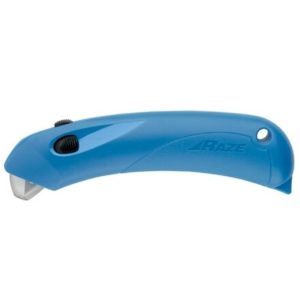
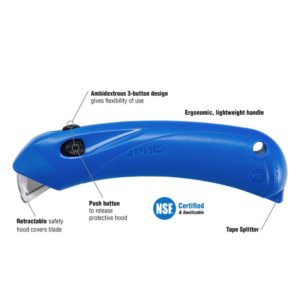

Showing all 13 resultsSorted by popularity
Traditional Utility Knives for Versatile, High-Control Cutting
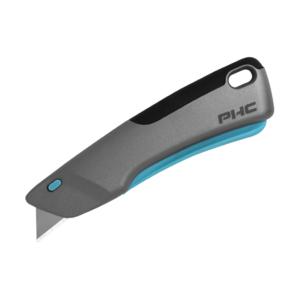
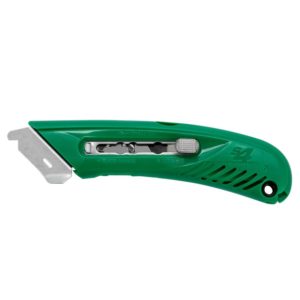
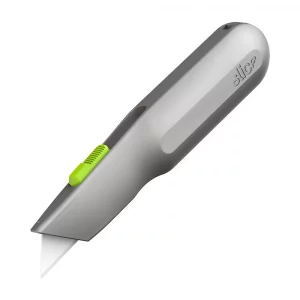
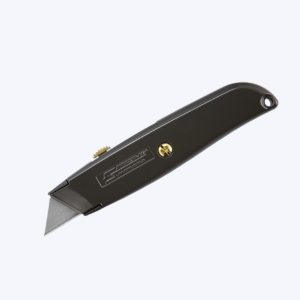
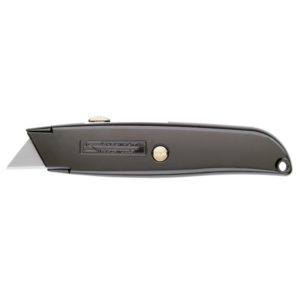
Traditional utility knives are designed for versatility, precision, and maximum cutting control across a wide range of materials. Unlike safety cutters, which limit blade exposure, these knives allow for adjustable blade length and more direct cutting contact—making them ideal for tasks that require flexibility and power.
Whether you’re cutting cardboard, drywall, plastic, insulation, or packaging materials, traditional utility knives remain one of the most widely used tools in construction, maintenance, and general-purpose applications.
Where Traditional Utility Knives Are Used
- Construction & Trades: Cutting drywall, insulation, roofing materials, and flooring
- Maintenance & Facilities: General repair and material trimming
- Industrial Applications: Cutting plastics, straps, and packaging materials
- General Utility Use: Everyday cutting tasks across multiple environments
Key Features of Traditional Utility Knives
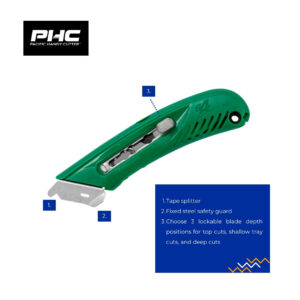
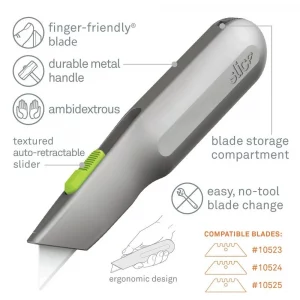
- Adjustable Blade Length: Extend or retract the blade based on the cutting task
- High Cutting Control: Direct blade exposure allows for precision and deeper cuts
- Replaceable Blades: Easily swap out worn blades to maintain performance
- Durable Construction: Built for repeated use in demanding environments
- Ergonomic Handles: Designed for comfort and grip during extended use
How to Choose the Right Utility Knife
- Blade Type: Standard utility blades vs snap-off blades for continuous sharpness
- Handle Design: Look for ergonomic grip for comfort and control
- Blade Change Mechanism: Tool-free vs manual replacement
- Application: Light-duty vs heavy-duty cutting needs
- Durability: Metal vs composite construction depending on usage
Traditional Utility Knives vs Safety Cutters
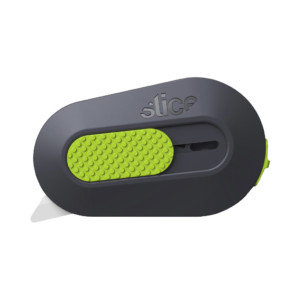
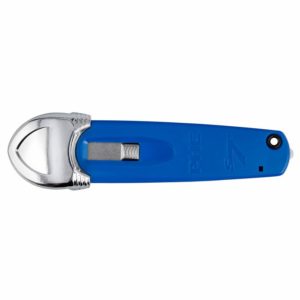
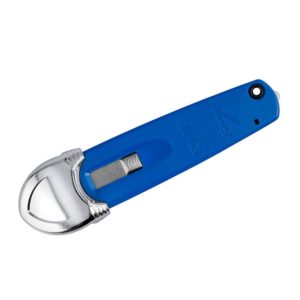
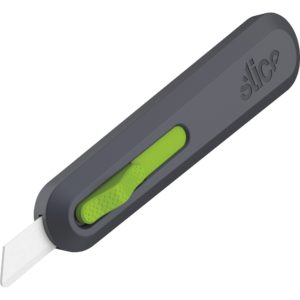
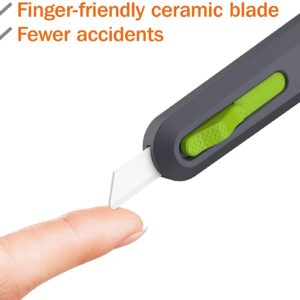
Traditional utility knives provide greater flexibility and cutting depth, making them ideal for construction and general-purpose use. Safety cutters, on the other hand, are designed to reduce blade exposure and minimize injury risk—making them better suited for warehouse, retail, and fulfillment environments.
If your priority is maximum control and versatility, traditional utility knives are often the better choice. If your priority is workplace safety and reduced injury risk, consider exploring safety cutters or ceramic safety knives.
Blade Options for Utility Knives
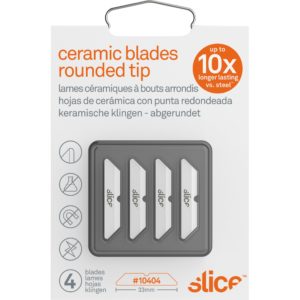
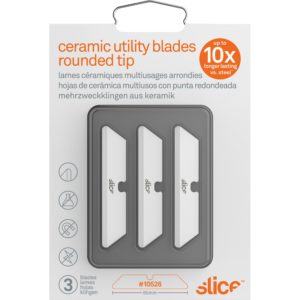
Choosing the right blade is just as important as selecting the knife itself. Traditional utility knives typically use replaceable steel blades or snap-off blades.
- Standard Steel Blades: Reliable, sharp, and cost-effective for most applications
- Snap-Off Blades: Maintain sharpness by snapping off used segments
Explore steel replacement blades or snap-off blades to match your cutting needs.
Need Safer Cutting?
Explore safety-focused cutters designed to reduce blade exposure.