What Is a Food-Safe Cutter? (And Why It Matters)
In food processing, packaging, and service environments, even small tools can create major risks if they are not designed with safety in mind. One of the most overlooked—but critical—tools is the cutter used to open boxes, trim materials, or handle packaging.
A food-safe cutter is specifically designed to reduce contamination risk, improve workplace safety, and support compliance with food safety standards.
A food-safe cutter is a cutting tool designed to minimize contamination, reduce blade exposure, and support hygienic operations in food-related environments.
What Makes a Cutter “Food-Safe”?
Not all cutting tools are suitable for food environments. Food-safe cutters are built with specific features that help prevent contamination and improve safety.
- Enclosed or Protected Blades: Reduces the risk of blade contact with food or packaging contents
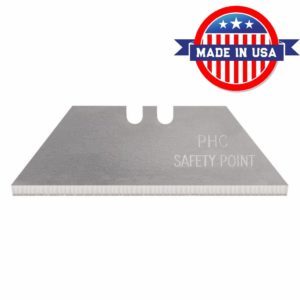
- Non-Removable Blade Systems: Prevents loose blades from entering food zones
- Rust-Resistant Materials: Ensures durability and hygiene
- Easy-to-Clean Design: Supports regular sanitation
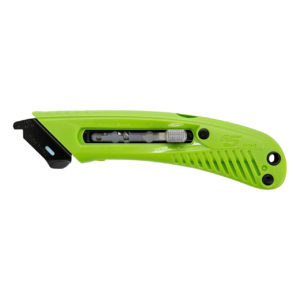
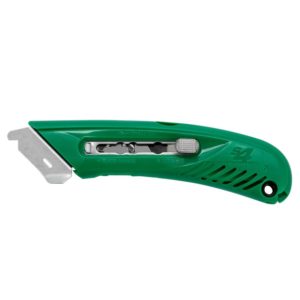
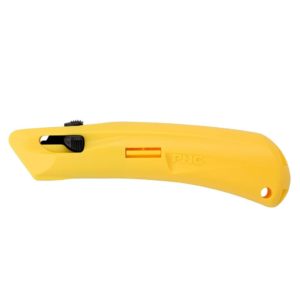
- High Visibility: Bright colors make tools easier to detect if misplaced
👉 Explore compliant options in our Food-Safe Cutters category.
Why Food-Safe Cutters Matter
Using the wrong cutting tool in a food environment can lead to serious issues—from contamination risks to workplace injuries and compliance violations.
- Prevents Foreign Object Contamination: Reduces risk of loose blades or fragments
- Supports Food Safety Programs: Aligns with HACCP and internal safety standards
- Improves Workplace Safety: Reduces cuts and injuries
- Maintains Product Integrity: Helps avoid accidental damage to packaging contents
Where Food-Safe Cutters Are Used
- Food processing and manufacturing facilities
- Packaging and distribution centers
- Commercial kitchens and food service operations
- Cold storage and warehouse environments
- Quality-controlled production lines
Types of Food-Safe Cutters
Food-safe cutters come in several forms depending on the application:
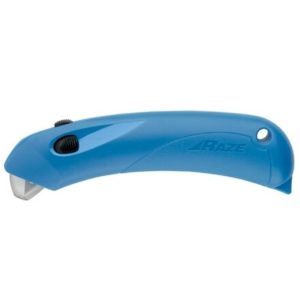
- Enclosed Blade Safety Cutters: Ideal for opening cartons without exposing the blade
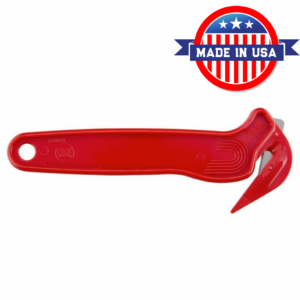
- Film and Wrap Cutters: Designed for shrink wrap and plastic materials
- Disposable Cutters: Reduce contamination risk in high-turnover environments
- Ceramic Blade Cutters: Longer-lasting and resistant to corrosion
Food-Safe vs Standard Utility Knives
Standard utility knives are designed for general-purpose cutting and often feature exposed or replaceable blades. While effective, they may introduce contamination risks in food environments.
Food-safe cutters, on the other hand, are specifically engineered to minimize those risks through enclosed designs and hygienic materials.
Key Features to Look For
- NSF Certification: Indicates suitability for food-related environments
- Enclosed Blade Design: Reduces exposure and contamination risk
- Durable Construction: Withstands repeated cleaning and use
- Color Coding: Helps prevent cross-contamination between zones
Best Practices for Using Food-Safe Cutters
- Clean and sanitize tools regularly
- Assign cutters to specific zones or tasks
- Inspect tools for wear or damage
- Train employees on proper use and handling
- Replace tools when they show signs of wear
Final Thoughts
Food-safe cutters play a critical role in maintaining safe, compliant operations. By choosing the right tools and following best practices, you can reduce risk, protect your products, and improve overall efficiency.
If you’re operating in a food environment, investing in the right cutting tools is not optional—it’s essential.