Safety Cutters vs Utility Knives: Which Should You Use?
If you’re choosing between safety cutters and utility knives, you’re not alone. Both tools are widely used across warehouses, retail environments, construction sites, and everyday tasks—but they serve different purposes.
The right choice depends on your priorities: safety, cutting power, speed, or control. In this guide, we’ll break down the key differences so you can choose the best tool for your workflow.
• Choose safety cutters if you want to reduce injury risk and improve workplace safety
• Choose utility knives if you need more cutting power and flexibility
What Is a Safety Cutter?
Safety cutters are designed to minimize blade exposure and reduce the risk of accidental cuts. Many feature enclosed or partially exposed blades, making them ideal for fast-paced environments where safety is a priority.
They are commonly used in warehouses, retail, and fulfillment operations where employees open boxes and packaging throughout the day.
👉 Explore safety-focused options like Slice ceramic safety cutters or browse Pacific Handy Cutter tools.
What Is a Utility Knife?
Utility knives are traditional cutting tools with exposed or retractable blades. They are designed for versatility, allowing users to cut through thicker materials such as cardboard, drywall, plastic, and more.
Because they offer more blade exposure and adjustable cutting depth, they provide greater control and cutting power—but also require more careful handling.
👉 Browse full-size options in our utility knives category.
Safety Cutters vs Utility Knives: Key Differences
| Feature | Safety Cutter | Utility Knife |
|---|---|---|
| Blade Exposure | Minimal / enclosed | Exposed / adjustable |
| Safety | High | Moderate (depends on use) |
| Cutting Power | Light to moderate | Moderate to heavy |
| Best Use | Box opening, packaging | General cutting, construction |
| User Type | Warehouse, retail, fulfillment | Trades, maintenance, general use |
When to Use a Safety Cutter
- High-volume box opening tasks
- Workplace environments with safety requirements
- Reducing employee injury risk
- Cutting packaging, tape, and shrink wrap
When to Use a Utility Knife
- Cutting thicker materials (drywall, insulation, plastic)
- Construction and trade applications
- Situations requiring adjustable blade depth
- General-purpose cutting tasks
Which One Is Better?
Neither tool is better in every situation—it depends on how you plan to use it.
If your priority is safety and speed in a workplace setting, safety cutters are usually the better choice. If your priority is power and versatility, a utility knife is the better tool.
Many businesses use both tools—safety cutters for daily box opening and utility knives for heavier tasks.
Final Thoughts
Choosing the right cutting tool comes down to your environment and priorities. Understanding the differences between safety cutters and utility knives helps you work more efficiently while reducing risk.
If you’re still deciding, browse both categories to find the best fit for your needs.
Recommended products
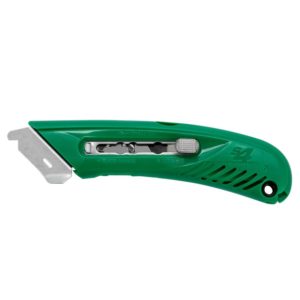

Pacific Handy Cutter S4 Safety Cutter
$7.99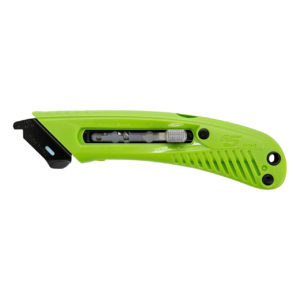
Pacific Handy Cutter S5 Safety Cutter, 3-In-1 Tool W/ Metal Fixed Guard
$8.99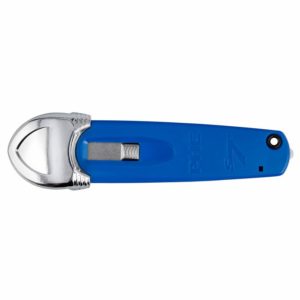
Pacific Handy Cutter S7 Safety Cutter, 3-in-1 Self-Retracting Utility Knife
$10.99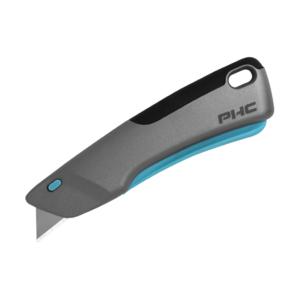
Pacific Handy Cutter Smart-Retract Victa Safety Cutter Utility Knife
$26.99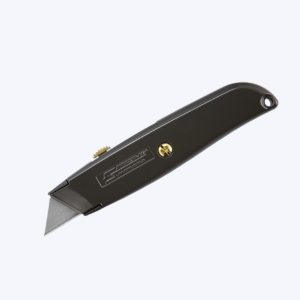
Pacific Handy Cutter SN-195 All Purpose Retractable Utility Knife, High-Quality Carbon Steel
$4.99S4 Safety Cutter with Holster and Lanyard
Original price was: $15.99.$14.99Current price is: $14.99.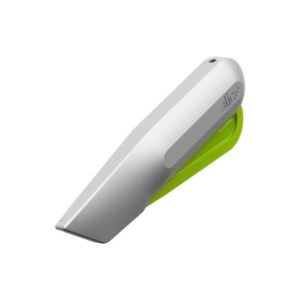
Slice 10493 Squeeze-Trigger Auto-Retractable Metal Utility Knife
$32.99Pacific Handy Cutter Auto-Retract Metti MD Safety Cutter Utility Knife
Original price was: $15.99.$12.99Current price is: $12.99.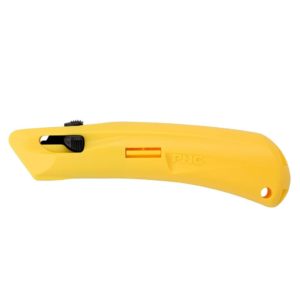
Pacific Handy Cutter EZ3 Spring-Back Safety Cutter, Ambidextrous, Lightweight Box Cutter with Safety Point Blade
$4.99